Singapore's climate doesn't leave much room for bad material choices. With temperatures consistently in the high twenties and humidity rarely dropping below 70 percent, the chair you sit in for eight hours a day needs to handle heat as well as it handles posture.
For most people shopping for an office chair, the focus tends to fall on lumbar support, seat height, and price. And that’s a perfectly sound approach, but it’s also important to consider whether the chair will keep you comfortable through a warm afternoon. In this article, we’ll compare fabric vs mesh office chairs, to help you determine which to consider for your needs.
How Fabric Chairs Perform in Heat
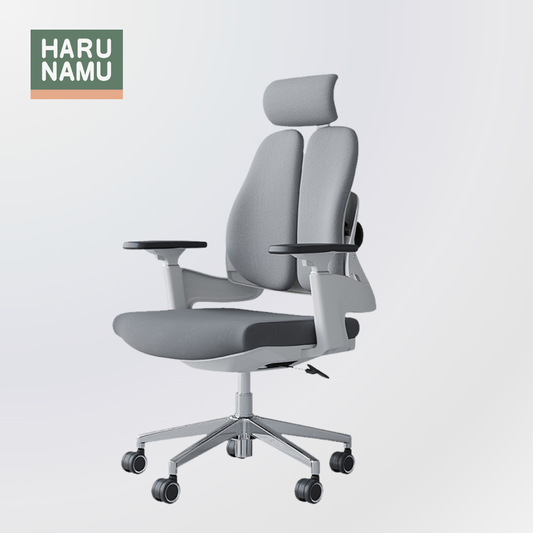
Fabric office chairs have a lot going for them in the right context. They tend to feel softer at first contact, dampen sound slightly, and come in a wider range of colours and textures that can suit a more residential aesthetic. For cooler climates, these qualities make them a natural choice.
In Singapore's heat and humidity, however, fabric chairs have a consistent set of limitations. Fabric traps heat against the body rather than allowing it to dissipate, which means body temperature tends to build up during prolonged sessions in a way that mesh simply doesn't permit.
Fabric also absorbs moisture, whether from humidity in the air or from the body during a long, warm afternoon at the desk, and doesn't release it easily. Over time, this can lead to odour retention and a general degradation of the material that requires more maintenance to manage.
Fabric chairs are also harder to clean thoroughly in a humid environment, where the combination of absorbed moisture and trapped warmth creates conditions that aren't particularly hygienic in a heavily used work chair.
How Mesh Chairs Perform in Heat
Mesh backrests are designed around airflow. Rather than a solid surface that traps heat between the body and the chair, mesh allows air to circulate through the backrest continuously.
In practice, this keeps the contact surface noticeably cooler during extended use, reduces the buildup of heat at the lower back, and eliminates the moisture-absorption problem that affects fabric chairs in humid conditions.
Mesh is also straightforward to wipe down and maintain, which matters more than it might seem in a climate where chairs are used daily and the ambient humidity is consistently high.
The Hybrid: Mesh Backrest, Memory Foam Seat
Not all mesh chairs are full mesh from seat to backrest. A common and well-balanced configuration pairs a mesh backrest, providing the breathability that matters most in Singapore's heat, with a memory foam seat for cushioning and support.
 |
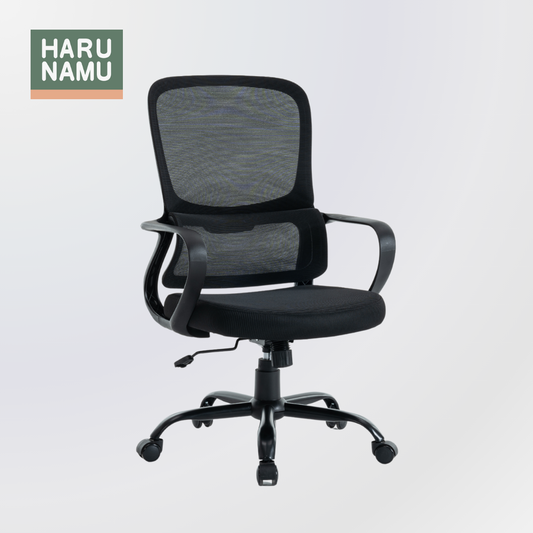
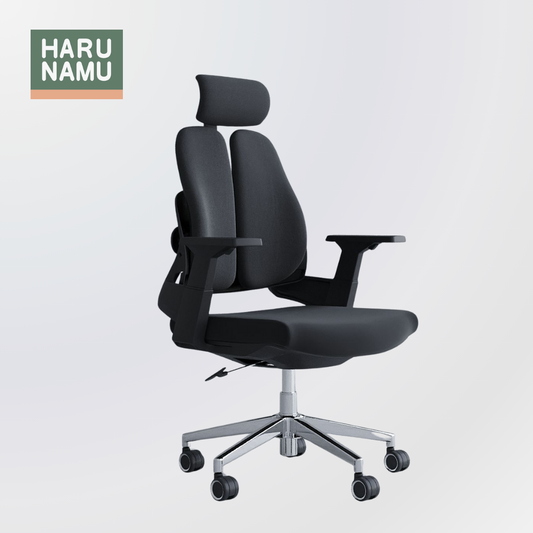
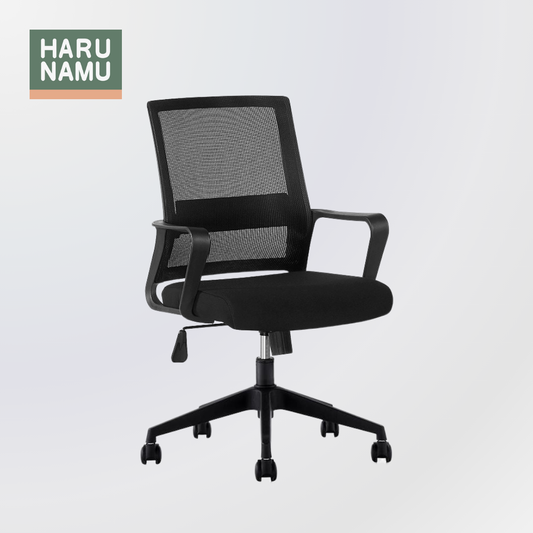
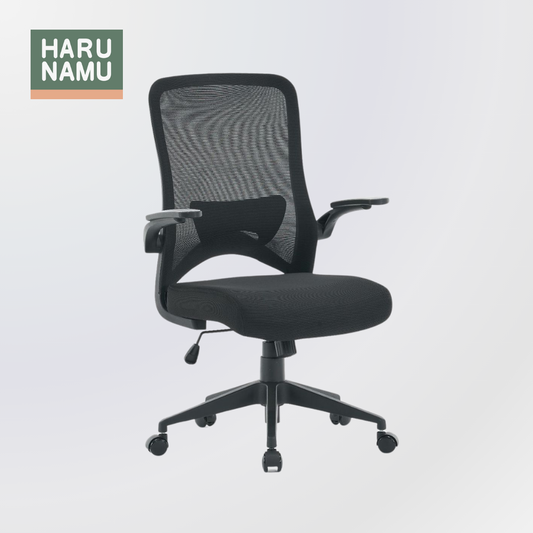
The ADONIS Black Ergonomic Office Chair uses exactly this approach. A mesh backrest handles ventilation and lumbar support, while a memory foam seat provides a contoured, cushioned base, comfortable enough for extended use and significantly more breathable than a fully upholstered chair.
 |
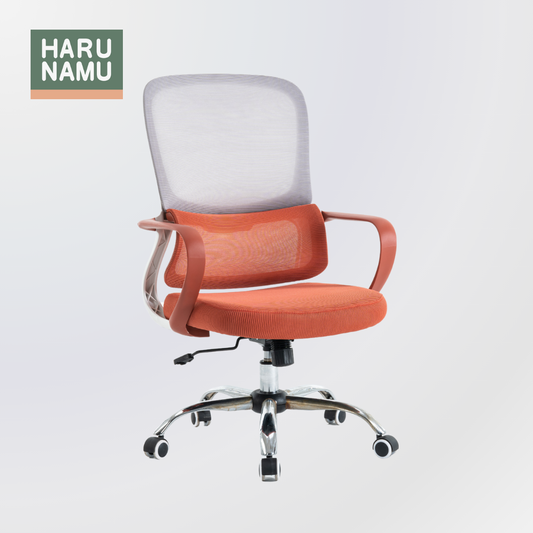
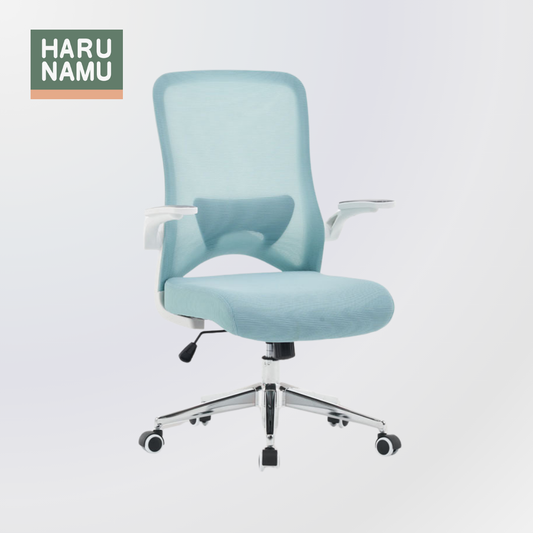
The ARGUS Black Mesh Office Chair follows the same configuration, mesh backrest, memory foam seat, with reclinable armrests and a design specifically noted as suitable for tropical climates.
Full Mesh: Maximum Breathability
For those who prioritise breathability above all else, a full mesh chair, seat and backrest, offers the most consistent temperature regulation across a long working day.
 |
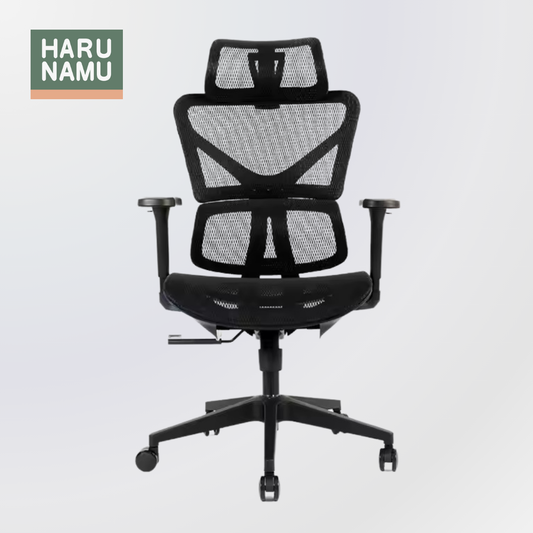
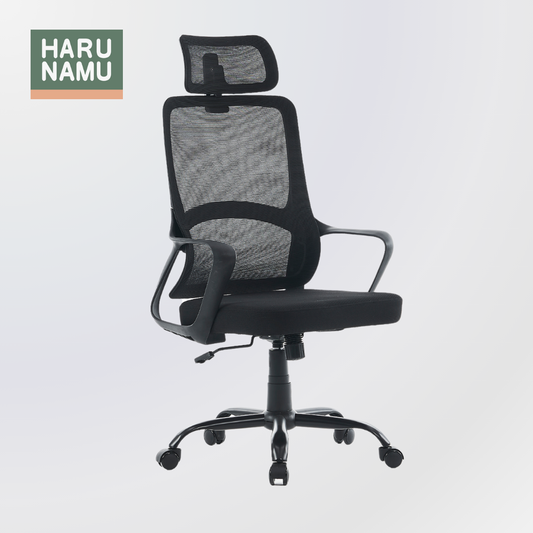
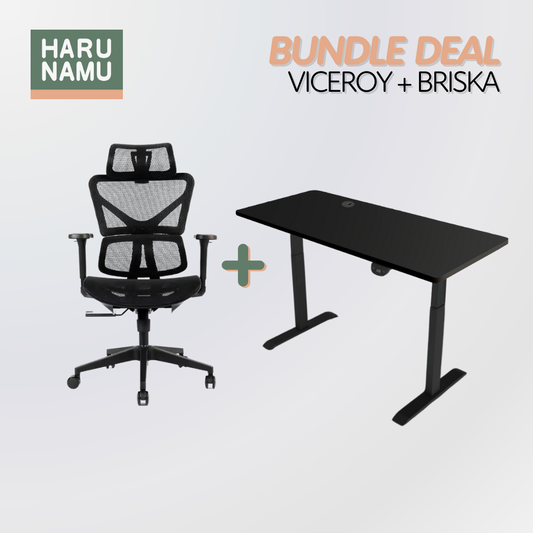
The VICEROY Black Mesh Ergonomic Chair is built around this principle. With full mesh across both the seat and backrest, air circulates from every contact point rather than just the back, which makes a noticeable difference during afternoon sessions when ambient temperature tends to peak. Adjustable headrest and armrests, a recline lock, and lower lumbar support round out a chair that handles Singapore's climate as naturally as any model above and below its price point.
 |
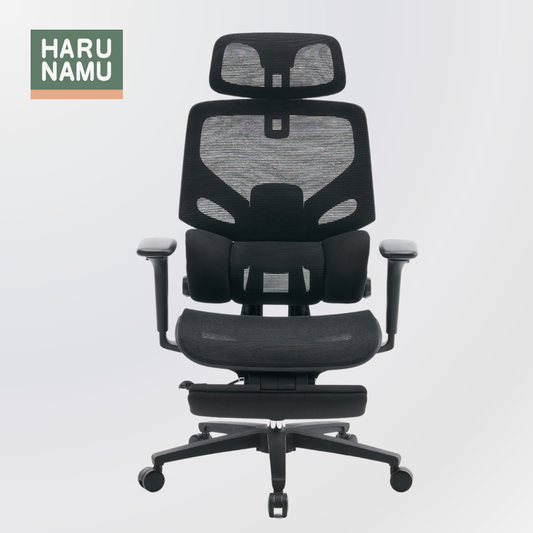
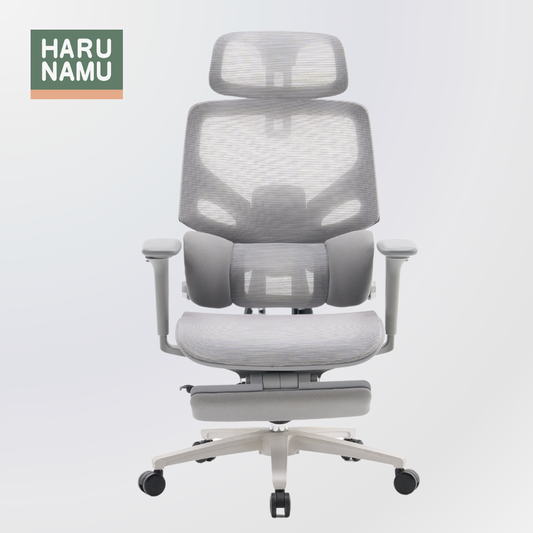
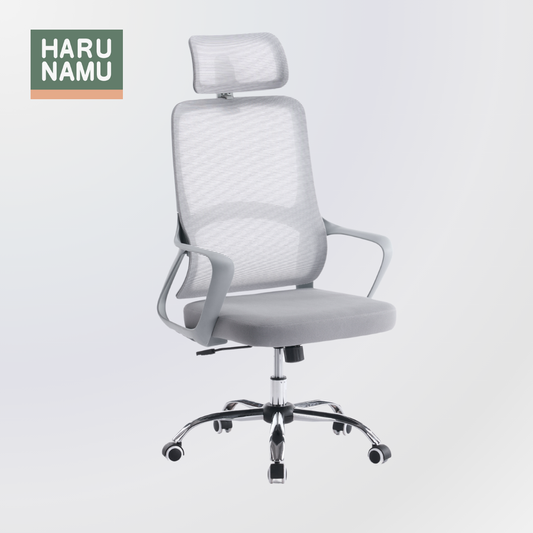
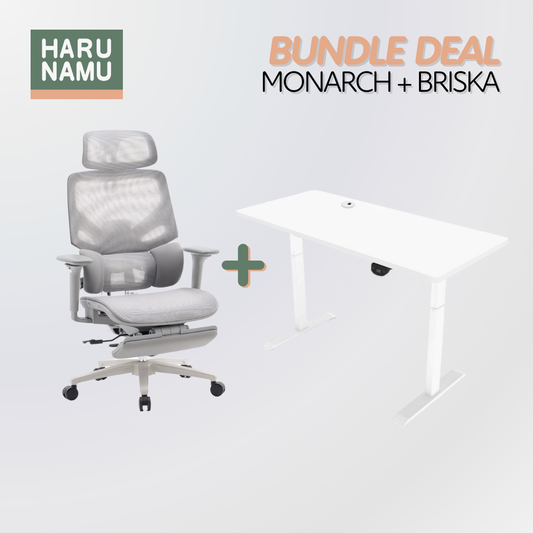
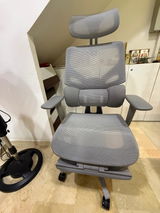
The MONARCH Ergonomic Office Chair extends this further. Full mesh construction across the headrest, backrest, and seat keeps the chair consistently cool, while the addition of a retractable footrest gives you the option to stretch and decompress during longer sessions, a feature that becomes increasingly valuable as the working day extends into the warmer parts of the afternoon.
Does Air Conditioning Change the Equation?
If your home office is air-conditioned consistently throughout the day, the gap between fabric and mesh narrows somewhat. Heat buildup is less of a concern when ambient temperature is controlled, and a fabric chair may feel comfortable enough for your setup.
That said, humidity in Singapore remains high even with air conditioning running, and the moisture-absorption limitations of fabric don't disappear entirely in a climate-controlled room. Mesh is still the more practical choice for everyday maintenance and longevity, even if it's less critical for thermal comfort specifically.
The Verdict
For most home offices in Singapore, mesh or mesh-hybrid chairs perform more consistently than fabric alternatives, cooler under sustained use, easier to maintain, and better suited to the combination of heat and humidity that defines the working environment here.
The choice between a hybrid and full mesh chair largely comes down to seat preference: if you spend very long hours at the desk and prefer more cushioning underfoot, the ADONIS or ARGUS offer a practical balance. If breathability is the primary concern, the VICEROY and MONARCH cover it more completely.
Explore Harunamu's full range of ergonomic chairs and find the one that suits both your posture and your climate.

Frequently Asked Questions
Are fabric office chairs suitable for Singapore's climate?
Fabric chairs can be comfortable in air-conditioned environments, but they tend to trap heat and absorb moisture in Singapore's ambient humidity, which makes them harder to maintain and less comfortable during longer working sessions, particularly in home offices without consistent air conditioning. Mesh or mesh-hybrid chairs generally perform better in these conditions.
Why are mesh office chairs better for hot and humid climates?
Mesh backrests allow air to circulate between the body and the chair continuously, preventing heat buildup at the contact surface. In a climate like Singapore's, where ambient temperature and humidity remain high for much of the day, this ventilation makes a noticeable difference in how cool and comfortable the chair feels during extended use.
What is a mesh-hybrid office chair?
A mesh-hybrid chair pairs a mesh backrest with a memory foam or padded seat. The mesh backrest provides the breathability needed in warm climates, while the cushioned seat offers more traditional support underfoot. This configuration suits people who want the climate benefits of mesh without giving up the feel of a cushioned seat.
Is a full mesh chair or a mesh-hybrid better for Singapore?
Both are well-suited to Singapore's climate. Full mesh chairs offer slightly more consistent breathability across the seat and backrest, while mesh-hybrid models provide more cushioning at the seat for those who find a mesh seat less comfortable during very long sessions. The better choice depends more on personal preference and session length than climate alone.
Do mesh office chairs last as long as fabric ones?
Quality mesh chairs are generally durable and maintain their structure well over years of daily use. They are also easier to clean and less susceptible to the odour retention and material degradation that affects fabric chairs in humid environments, which can make them the longer-lasting practical choice for Singapore home offices.
Can I use a fabric chair in Singapore if my office is air-conditioned?
Yes, though humidity remains a factor even in air-conditioned spaces. A fabric chair will be more comfortable in a climate-controlled room than in an unventilated one, but it will still absorb moisture over time and require more maintenance than a mesh equivalent. If you're deciding between the two, mesh or mesh-hybrid remains the more practical long-term choice regardless of air conditioning.